Image
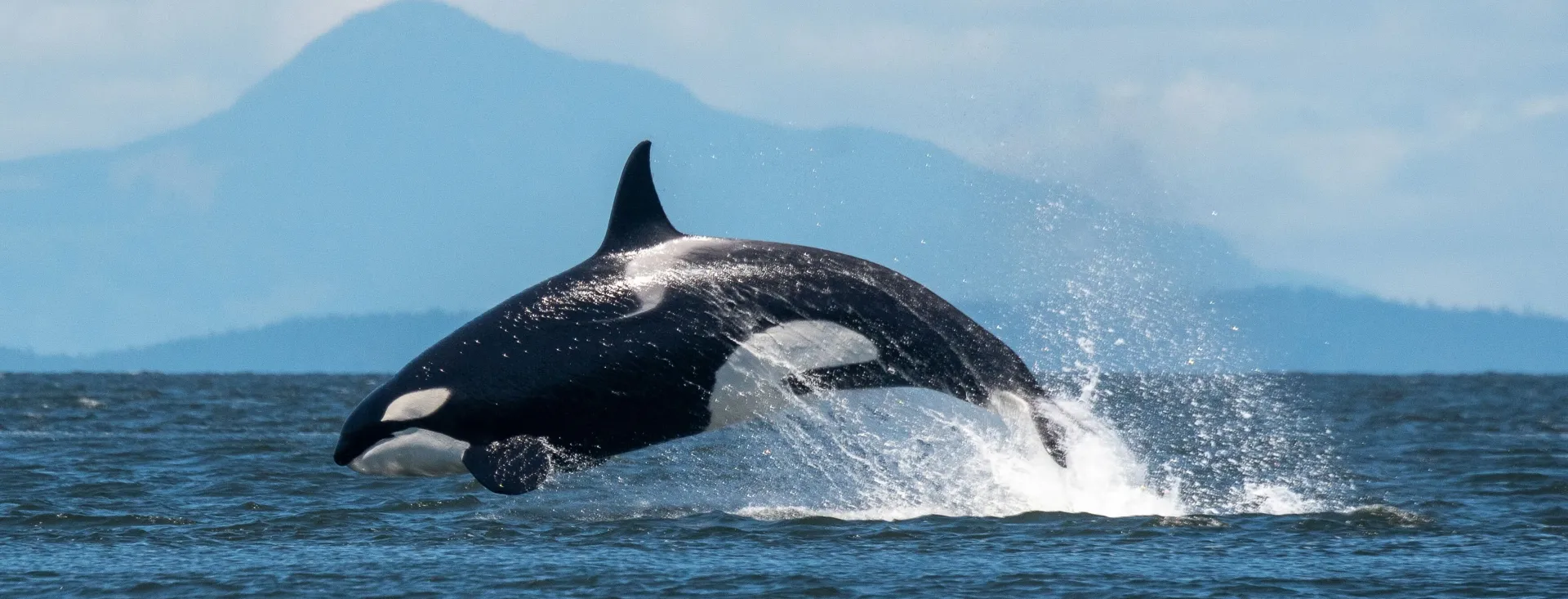

You've been blessed if ... you've seen them. Maybe on a whale watch boat, maybe from shore. You heard them breach and sing, saw them jump and roll, and maybe, for a split second your eyes locked and you knew you were looking at an intellectual equal. Watching Orca whales in the wild is a profound and often life changing experience. Just ask us! We who live here are fortunate to share the waters that many Orca whales call home.
Orca Whales eat, among other things, salmon. A lot of salmon. The dam removal on the Elwah river in 2014 insured some food safety for our Blackfish. Want to make sure these majestic giants continue to successfully and safely cohabit with us?
Here are three fantastic ways you and your family can get involved and make a difference until you visit again.
1. Adopt a Whale
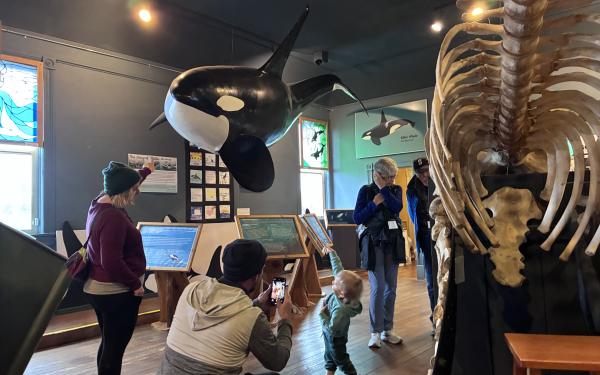
Check out the fun, comprehensive “Adopt a Whale “program through the Friday Harbor Whale Museum where you can adopt a Southern Resident Orca for a year as an individual, a family or a classroom. Orcas are as unique as each one of us and picking your whale is half the fun. Does the name speak to you? Do you want to be part of the journey of one of this year’s babies? Will you go for a whale featured in a famous movie? You’ll receive a yearlong membership at the museum, an adoption certificate, the bio of your whale, bumper stickers, a newsletter and so much more. Proceeds from Orca adoptions go to education, research and public outreach on behalf of the Southern Resident community of killer whales. What a way to instill a sense of environmental responsibility and joy to be of our world in your kid.
2. Snake River Dam Removal
Dam removal is a hot political topic. It’s costly. In the case of the Elwah and the proposed Snake River dams, it has taken decades. It has huge impacts on our energy sourcing, tourism, water rights and the landscape. Dam removal proponents felt a new sense of urgency in 2015 when both the Columbia and Snake rivers got so hot so early this summer that Idaho’s sockeye run all but disappeared, despite the more than 250,000 juveniles that went out since 2012. Yearly healthy salmon runs are crucial for the survival of our Orcas. Within four hours after the final removal of the Elwah River Dam, wild salmon were seen swimming up river for the first time in 100 years. Consider staying informed on the dam removal issue and give to the indispensable cause of sustainable salmon restoration through the Save our Wild Salmon Coalition.
3. Eat Wild Salmon
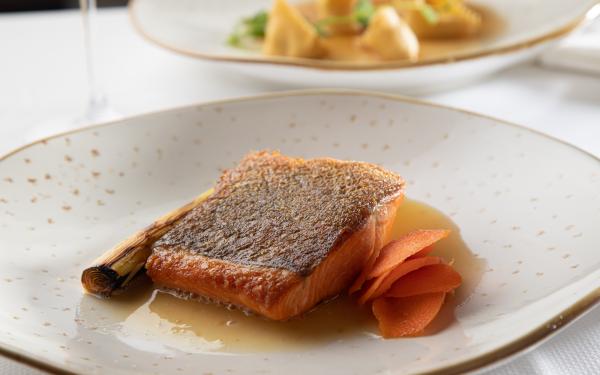
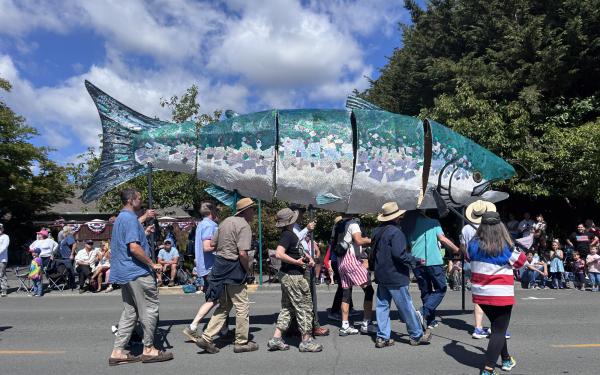
It may sound counterintuitive to eat the Orca’s food, but it makes sense. Farmed salmon pens are a great source of pollution, stemming from fish feces, uneaten food and antibiotics given to farmed fish. There are also concerns about transferring diseases, like sea lice, to wild salmon and competing with the wild population for spawning sites. Vote with your dollar and support local Wild Salmon restoration rather than more fish farms.